01588 673041

enquiries@cfga.org.uk

Caring for God's Acre is the conservation charity for Burial Grounds across the UK
Protecting Wildlife - Preserving Heritage - Involving People

Project Updates

Creative Writers Sought to Remember Birmingham’s Poor

The memorials you see as you walk around burial sites are often erected by those that could afford them. This is the case in Birmingham’s Jewellery Quarter, where visitors to Key Hill cemetery can see memorials to non-conformists such as Harriet Martineau, Joseph Chamberlain and Alfred Bird (inventor of Bird’s custard). The vast majority of those buried here, however, are in public graves, where the working-class poor paid for the privilege of sharing a final resting place with over a hundred others.  If they were lucky, their relatives would pay the extra to have their loved one’s names engraved on one of the large headstones that mark some of the plots. Many, however, were too poor even for this and the headstones often contain less than half of the grave’s occupants. In addition, many plots have no stones at all.  

This May, Our Digital Ancestors, in collaboration with the University of Hertfordshire, are launching a project to highlight these graves and work with creative writers to create stories inspired by the lives of some of those buried here. These lives include:   

  • Ada Ellis, born in the workhouse to an unmarried mother, who died after falling down a trapdoor during a thunderstorm 
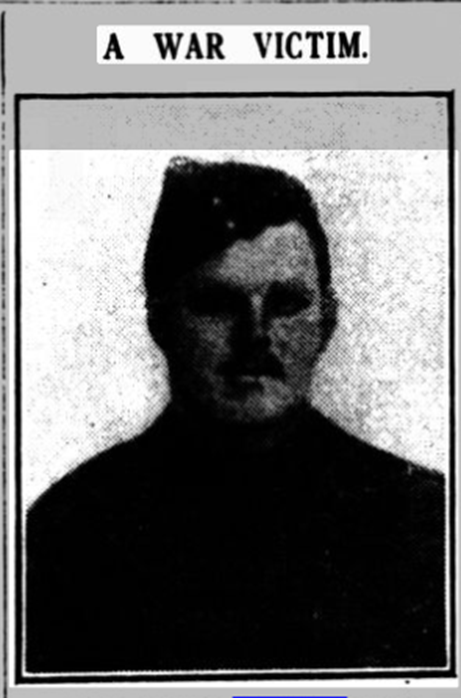
  • Air Mechanic Frank Jeacock, a tram driver who flew in kite balloons during WWI, was captured and died due to his treatment in a Prisoner of War camp (photo to the left). 
  • William Vaughan, an upholster who became blind during his life and supported himself by selling wares for the Birmingham Royal Institute for the Blind 

Creative writers of all levels of experience are invited to attend a workshop on Saturday, May 16th in Birmingham’s Jewellery Quarter, held in conjunction with Birmingham’s You Only Die Once Festival. In the morning, they will hear from Dr Penny Pritchard and celebrant Steve Rose about how Georgian and Victorian nonconformists were commemorated in death and how this contrasts with modern approaches to death. These conversations will inspire the afternoon’s workshop, where ideas for stories will be sketched out with The Bone Ensemble. This work will continue throughout the summer, with additional workshops on writing and research available to all participants. The resulting stories will be published in an anthology this autumn and we look forward to sharing them with you! 

You do not need to be a bestselling author to take part, no experience is necessary and authors will be supported every step of the way. You also don’t need to pay as all activities are free, although booking is essential. For further information and to book see here. If you have any questions, please contact Rachel@cfga.org . 
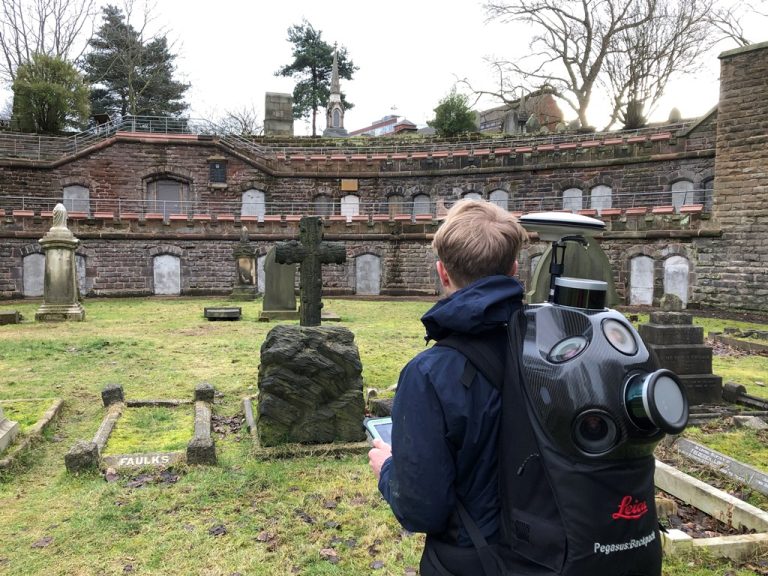
Our Digital Ancestors: Tales from Warstone Lane Cemetery

After 5 years of hard work by Caring for God’s Acre volunteers, photos and inscriptions for nearly every memorial in Warstone Lane Cemetery Birmingham have been added to the interactive map created by AG Intl, so now the public portal can go live for everyone to explore! This map will be a wonderful resource for genealogists, local historians and cemetery volunteers. Celebrate the success of the project and learn some of the tales uncovered along the way. The speakers are Dr Josie Wall and Dr Rachel Askew, both from Caring for God’s Acre Our Digital Ancestors project.

Our Digital Ancestors Goes North!

The Our Digital Ancestors team has just returned from an exciting trip to Durham and Newcastle upon Tyne to look at some of the great work that’s taking place there. First up was Durham University, where we gave a talk to undergraduates on the Cemeteries and Communities course about our work. The students will be taking the Health and Safety part of our online training course and we look forward to hearing about their work at nearby St Oswald’s. Thanks go to Dr Cathie Draycott and her colleagues, who were great hosts for the day. 

The team then moved on to Newcastle, where we visited St John’s Cemetery and Stories of the Stones, a project uncovering some of the histories of those buried at the cemetery and creating poems and artwork based on these. The range of activities was fantastic and we hope to use some of their ideas in ODA, so watch this space! We wish the project all the best in its main aim of restoring the cemetery chapels and lodges and giving them a sustainable future.

St John's Cemetery, Newcastle upon Tyne. The final resting place of six Chinese sailors who died whilst their ship was being built. See https://storiesofthestones.com/chinese-sailor-graves/ for their fascinating story.
St John’s Cemetery, Newcastle upon Tyne. The final resting place of six Chinese sailors who died whilst their ship was being built. See https://storiesofthestones.com/chinese-sailor-graves/ for their fascinating story.

Our final stop was the University of Newcastle, where we attended a round up of the Ballast Hills Burial Ground Project. Led by Dr Myra Giesen, this community project records, researches and showcases a cemetery where working class poor were buried alongside nonconformists. Whilst the cemetery was largely cleared in the early 20th century, the cemetery’s records survive along with a transcription of the memorial present prior to the clearance. The diversity of approaches being taken to the cemetery, including transcribing memorial transcriptions, researching those buried there and investigating associated records including midwife certificates for still births, was inspiring and we hope to work with Myra on a future project. Â