We have put together this list of FAQs which will point you towards some of the fabulous resources we have on this website, available to view or to download in many cases.
If you find our resources helpful, please consider making a donation towards supporting our work.
Can you visit and advise us on how to manage our burial ground?
Yes we can! We have a few ways of doing this.
- One way to receive bespoke advice is to become a member and join in our monthly zoom meetings – please visit Becoming a Member.
- We can visit in person where we meet with your group, and then we work with you to create a Management Brief for your site.
- We can also carry out a Virtual Visit which is where you upload footage of your site for us to view then we have a zoom meeting and discuss options and give advice.
The Management Brief and Virtual Visit are paid for services and people who have used them have found them really valuable. For more explanation and prices please visit How We Can Help You.
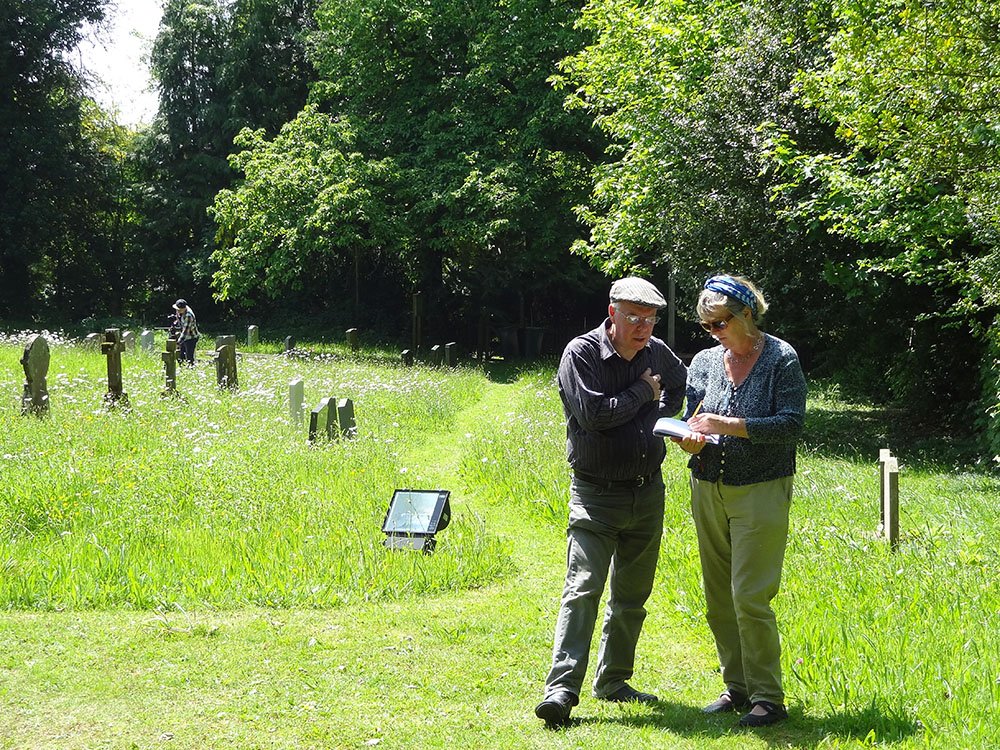
I have heard that you would like to know what wildlife we see on our site – how do I go about this?
Yes please!
Visit Add Your Records for details of the different ways to send in your records.
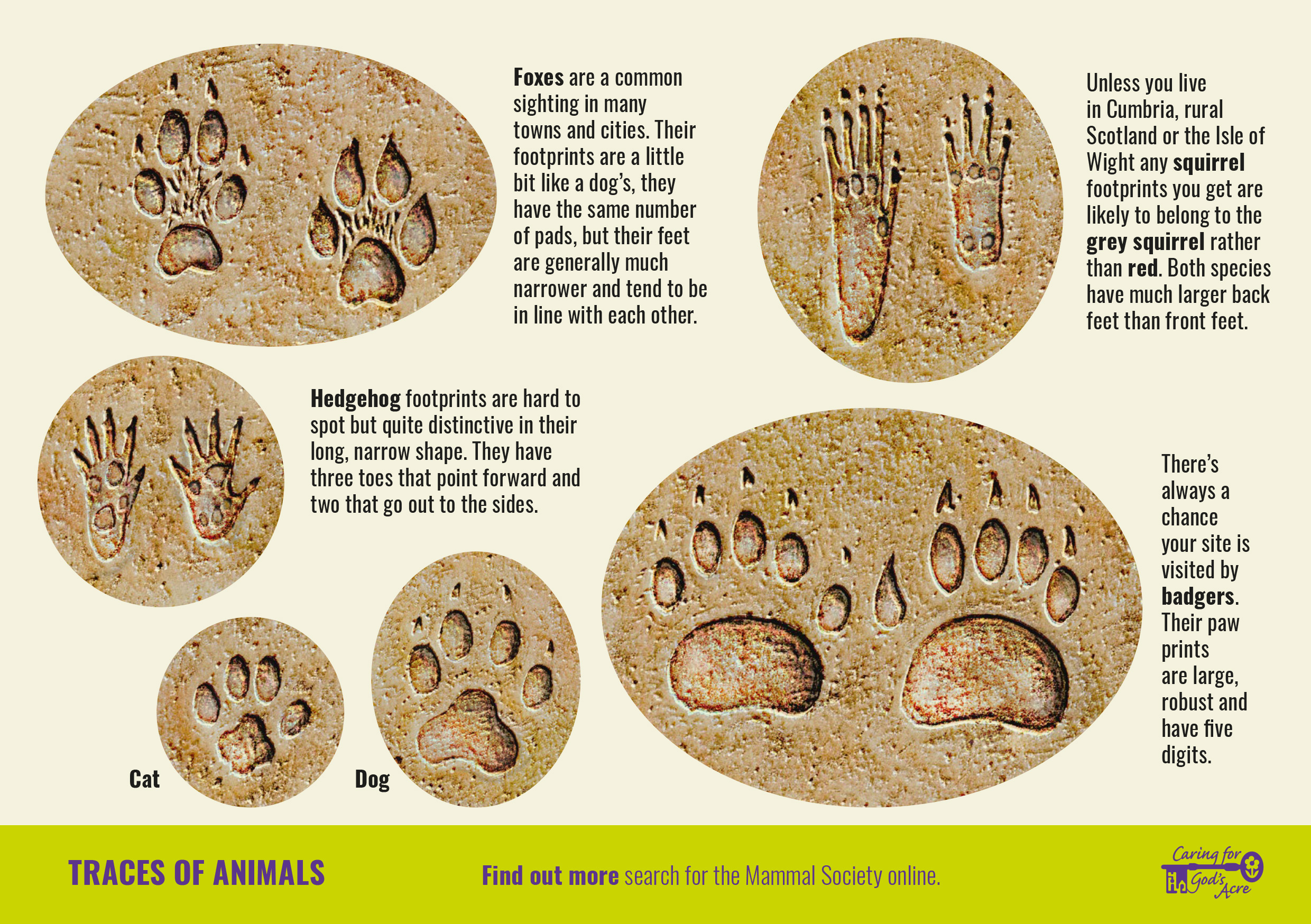
We love using iNaturalist as it helps us to identify things AND sends the record directly into the project database, but there are other ways too. Have a look at our Action Pack sheet B10 Surveying for Plants and Animals to learn more about recording wildlife.
What do I get if I become a member?
By joining you or your group can enjoy increased support from our team, access to current and past webinars and be part of our online community.
You will also be directly supporting our conservation work across the UK.
As a member you will receive:
- A welcome pack including our stunning ‘Guide to Wildlife in Burial Grounds‘ Field Studies Council Chart, our popular ‘Starter Guide’ and a ‘Key to Unlock’ poster and a back issue of the Lychgate
- Access to the online members-only area of our website with webinars and chat forum
- An informative and inspiring newsletter twice a year
- Priority booking, 20% discount on events and free access to our online webinars
- 20% discount on CfGA materials and publications
- Visit here to find out more and join
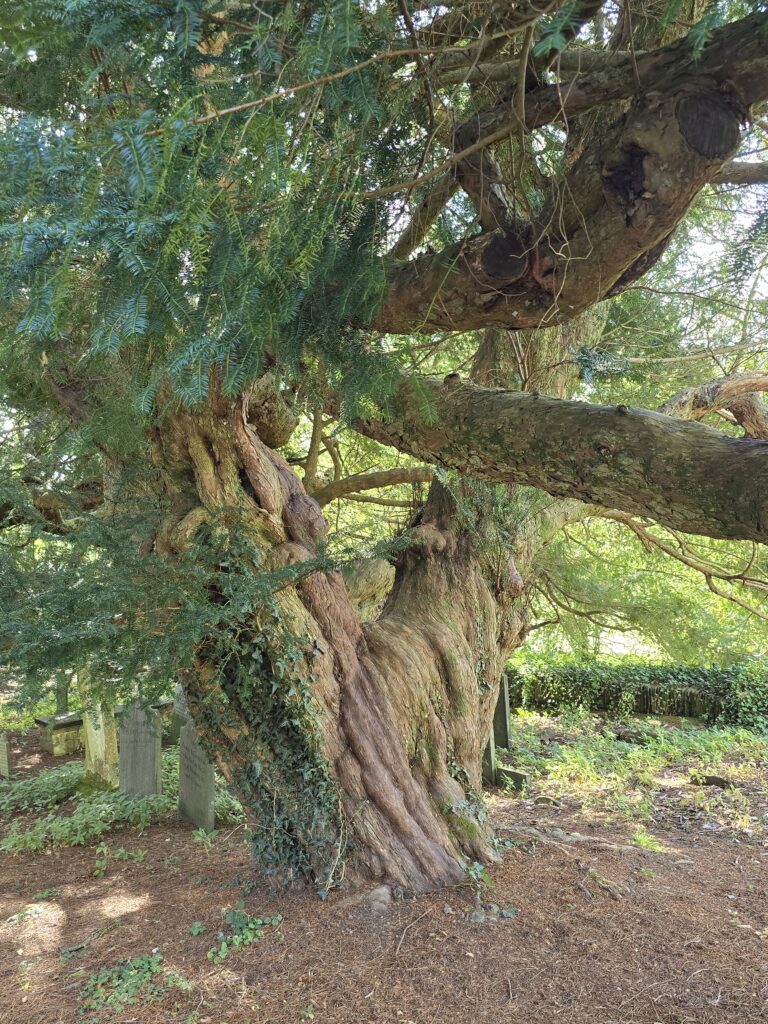
We have a very old yew tree – how do we look after it?
The ancient and veteran yews in the UK are special on globally level and our churchyards are where most of them are found so we have a range of resources to help you to look after them. It’s a good idea to start with our Action Pack sheet A5 Yews and Other Veteran Trees, then for a more in-depth guide take a look at A Guide to Ancient and Veteran Churchyard Trees. There’s also a video with some great information by tree expert Russell Ball.
Here are some basic guidelines that, if followed, keep them ticking along for years:
- Never assume that a yew is dying or dead. Many can carry a lot of deadwood, can look ‘untidy’ or have discoloured needles but will still recover and regenerate.
- Ivy can smother the crown which adds weight and reduces light. Ancient yews have a large mass to support (trunk and branches), with a relatively small amount of leaves/needles, so anything that decreases the photosynthesising capacity (by removing a branch or by ivy stopping them photosynthesising) can cause it to decline. Ivy can also hide tree defects, the identification of which are important when assessing tress.
Although ivy has wildlife benefits it needs to be removed from yews. Our Action Pack sheet A9 Pesky Plants and Animals helps you get the balance right. When removing ivy it’s important to work cautiously with hand tools so as not to damage the tree, using a tree contractor if climbing is involved. There can be bats and nesting birds within yews, particularly those with a thick growth of ivy; read sheet B3 Bats in the Belfry before doing anything which may disturb bats and avoid the bird nesting season.
- If a yew has been regularly trimmed then you can continue to trim it, if not do not start pruning, trimming or pollarding yews. Leaving them alone is the best management unless a tree expert specifies otherwise.
- If boughs are collapsing remember that they are able to then take root and regenerate. If they are causing a problem and cannot be allowed to collapse then prop them up. Do not prune them off without seeking advice. A good tree contractor or arborist will be able to help and advise.
- Keep the ground clear beneath your yew, removing railings, grass cutting piles and shrubs like holly, elder or hazel. One of the best things you can do is to mulch under yew trees. Use well composted wood chip or leaf mulch and spread it canopy wide. Make sure that the mulch is not touching the trunk. Mulch can be a few inches thick, replenish it every few years. Never fill the cavity of a veteran yew with rubbish, grass cuttings or use it as a storage space!
We have been working closely with the Church of England, Church in Wales and the Woodland Trust to make sure that yews and other veteran trees are identified so that people can look after them. Have a look at the Church Heritage Record and see if your churchyard has one; search for your church then click on the churchyard tab at the top of the page.
We want to manage our site differently but where do we start?
It’s really important to start by doing some planning coupled with consulting and discussion with your local community. The first sheet in our Action Pack guides you through developing your own management plan. Have a look at Action Pack sheet A1 Five Steps to Churchyard and Burial Ground Care to help you get started and create a realistic plan. We also have a short film Five Steps to Burial Ground Management so please have a look at that for an overview.
How do we create a wildflower meadow on our site?
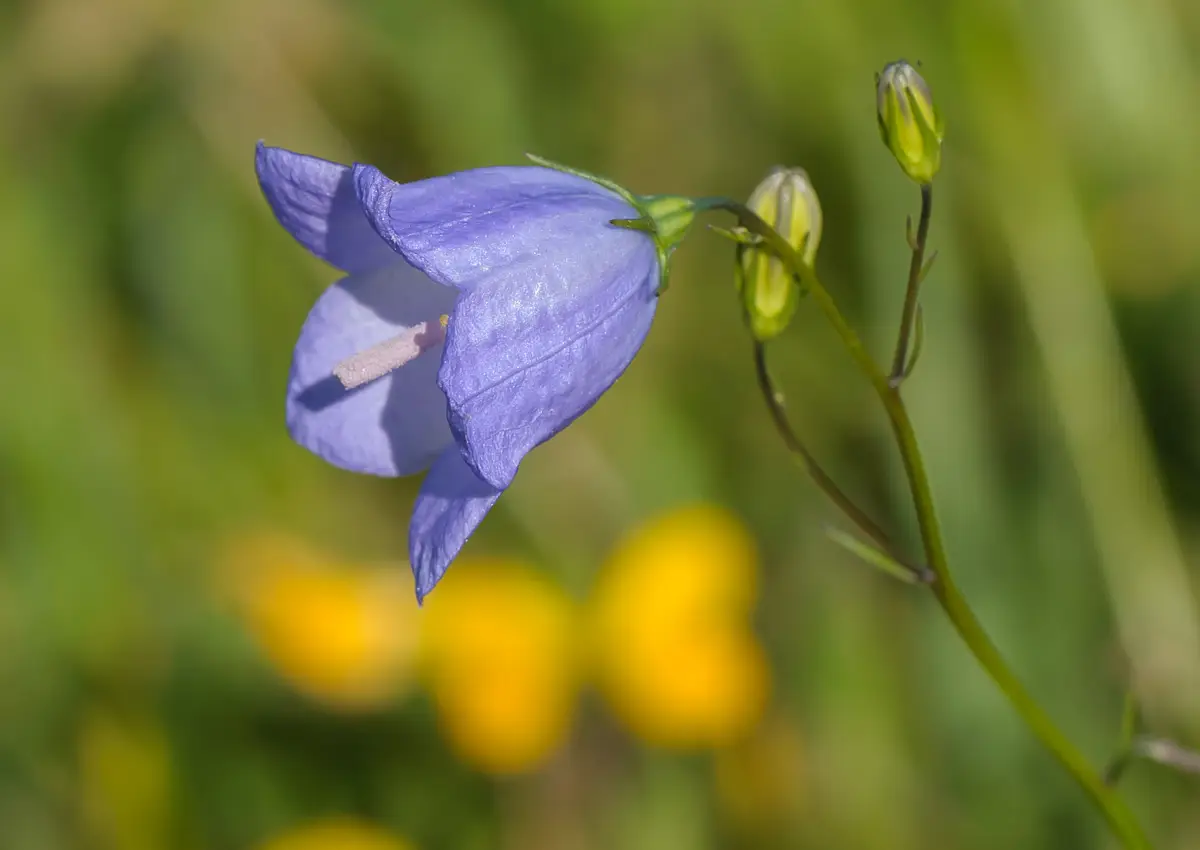
If your site pre dates 1945 it is likely that it hasn’t been fertilized or ploughed and will therefore already have a good mix of native perennial wildflowers. Before introducing anything the first thing to do is identify what you have. If you don’t have the skills to identify plants then ask around to see if there is someone local who would come and help with this, you don’t need to identify everything, no need for an expert! It helps with identification if the sward has been left to grow a bit longer so avoid cutting before taking a look. Don’t worry if you don’t have a local botany enthusiast, we have a way of getting an idea of how rich in wildflowers a burial ground is without identification. Our Botanical Companion helps you assess this by counting different plant types without needing to identify them.
Often when sites have only a few wild flowers it is because the grass clippings have been left to rot down, rather than raked and removed. The nutrients from this grass encourages quick growing grasses at the expense of the slower growing wild flowers. To get started have a look at a couple of our short videos, The Importance of Grassland and Grassland Management. Our Action Pack will help you get started, have a look at A2 Caring for Grassland, A3 Cutting Long Grass and Dealing with Grass Cuttings and A8 Creating a Wildflower Meadow and Helping Wildlife.
If you’d like to learn a little more about meadows as an inspiration then take a look at our Guide to Meadows and Wildflowers in Burial Grounds
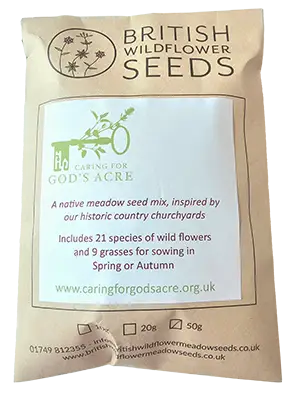
Please do not be tempted to strip off the turf in order to add annual wildflower seeds such as poppies/cornflowers etc. If you do this you will be replacing the very special habitat you have. To increase the flowers, you just need to tweak the management. If you would like the colourful annuals then you could add these to your flower borders where the bees will love them just as much!
We want to leave areas to grow long and flower but are worried it will look messy.
There are two main things to consider when addressing concerns of ‘things looking messy’
Firstly, managing in a way to prevent it looking messy.
Secondly, addressing people’s concerns and perception of what is ‘messy’ early on.
Let’s take the first one – Management
These are tips, not rules – all sites are unique!
All sites are different but there are some general guidelines.
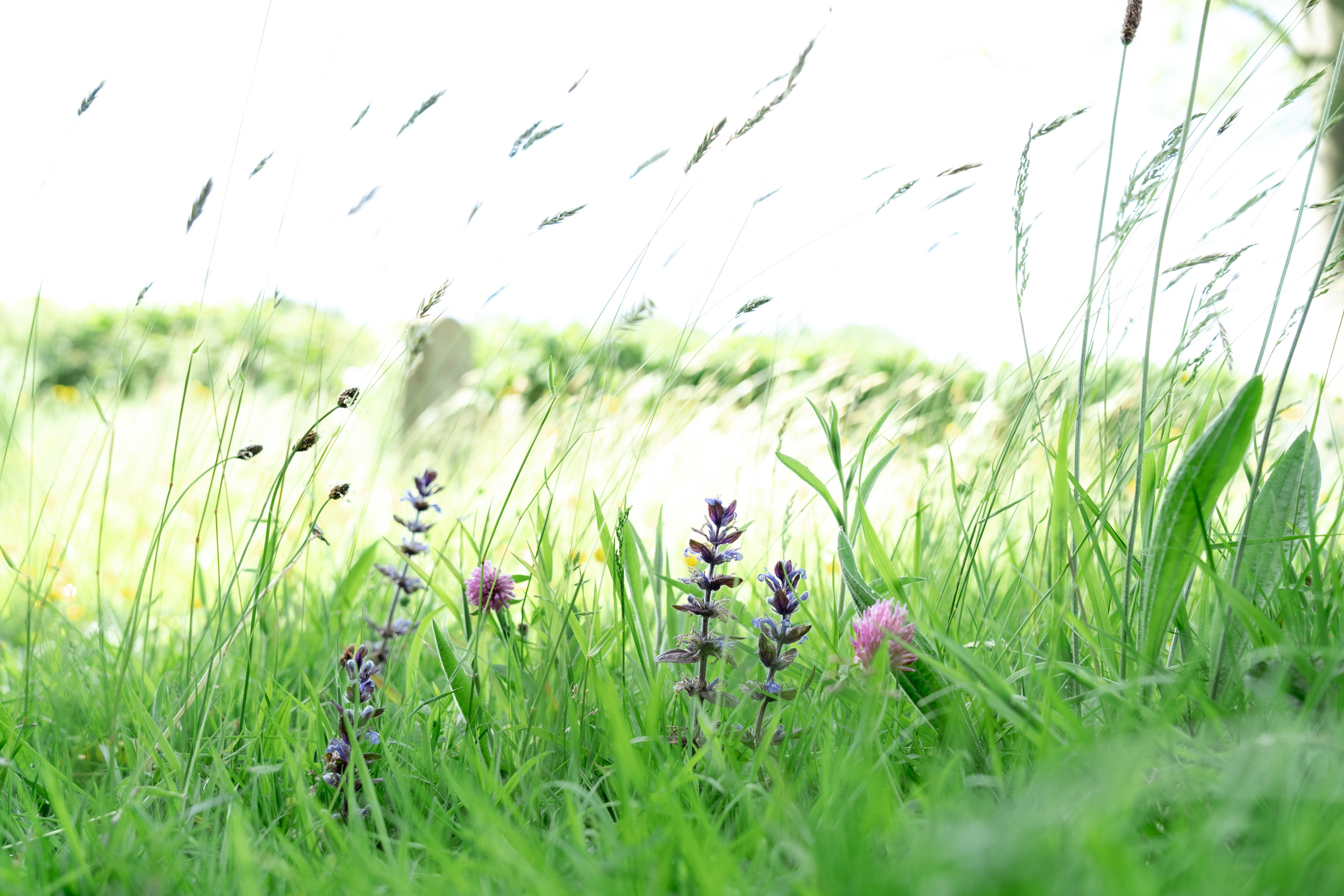
Keep short or medium length grass against tarmac paths, around entrances to the burial ground and to the church or chapel. Mow regularly in areas containing recent graves, graves still being visited and around war graves. Mow paths through areas of long grass so it looks intentional and people can wander in and enjoy it. Having a plan helps, take a look at Action Pack sheets A1 Five Steps to Churchyard and Burial Ground Care and A2 Caring for Grassland which includes a section on where to have different lengths of grass.
Cut before the grass and flowers have turned brown – this prevents nutrients going back into the soil and avoids it looking unkempt late in the season. You will be cutting some flowers if you do this but be determined and go ahead! The grassland will be made up of perennial species (apart from if you have introduced yellow rattle) so you do not need to leave it to all set seed. Meadow management is basically traditional farming, a farmer will cut the meadow when the grass and wildflowers are still green and full of goodness, not when it has died back. As well as looking unkempt, your meadow area will actually become more flowery next year if you don’t leave it too late before cutting. Leaving it uncut for 3 spring or summer months is enough, don’t be tempted to leave it for longer.
Introducing the wildflower Yellow Rattle can help to keep the grass short and increase the amount of flowers, A8 Creating a Wildflower Meadow and Helping Wildlife gives you more information.
If you don’t think that long grass is for you then consider having medium grass which is cut regularly with a lawn mower but the cutting bar is always kept at its highest setting – usually 10cm/4inches above ground level. This way you still get the low growing flowers and it is of far more value than short grass. N.B. medium grass stays greener longer and needs less cuts so uses less fossil fuels as well. Perhaps you can have some of each, long and medium?
Now onto people’s concerns
If you are changing management, it is a good idea to consult people and let everyone know what is planned and why you want to change things. Do this BEFORE you get started. How about writing an article in parish magazines, putting temporary signs on site and chatting to people? Many groups tell us that they receive complaints from a few members of the community, who are disproportionally vocal and can sway decision making. If you can discuss plans with a cross-section of your community then you may get a more accurate understanding of people’s views and concerns.
You may think of things to do to reassure people that the site is actively managed rather than being neglected. Keeping on top of the weeding of a flower bed perhaps, or putting up some fresh welcoming posters on the notice board. Next, invite people to walk around the site with you and listen to their concerns and talk to them about why you are managing in a way that is sensitive to wildlife, as well as people. In general, complaints are born of anxiety and understanding what is going to happen helps to diffuse issues.
Make sure to pop a sign up in the long grass areas so people know why you are leaving it to grow long and when it will be cut. You can ask for volunteers too! For ideas on signage pop HERE
We’ve lots of resources to help you with this, please have a browse of our Action Pack sheets A1, A2, A3 and A8. For eager beavers we have more information in our Guide to Meadows and Wildflowers in Burial Grounds. Only got a few minutes to spare? Take a look at our short films The Importance of Grassland and Grassland Management.
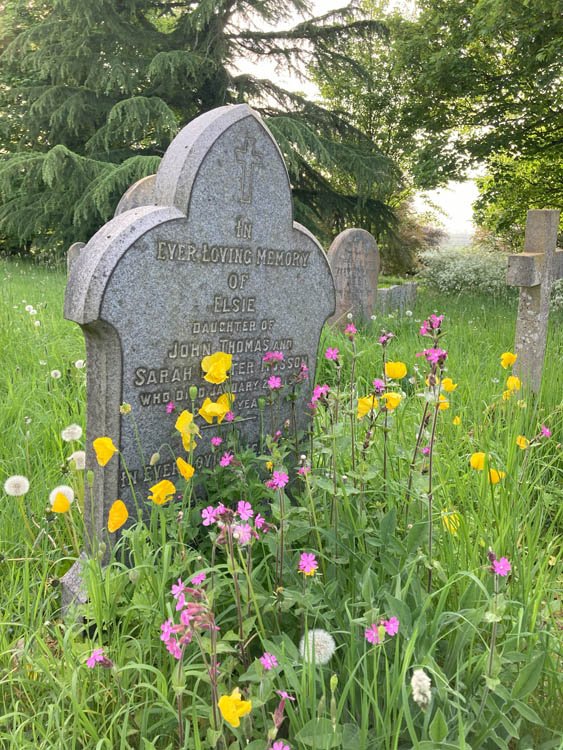
We can’t have a meadow area but want to do our bit for wildlife – is there anything else you advise?
There are lots of ways to manage sensitively we have a lot of advice and ideas in our Action Pack, Section B Havens for Wildlife
Here are a few ideas:
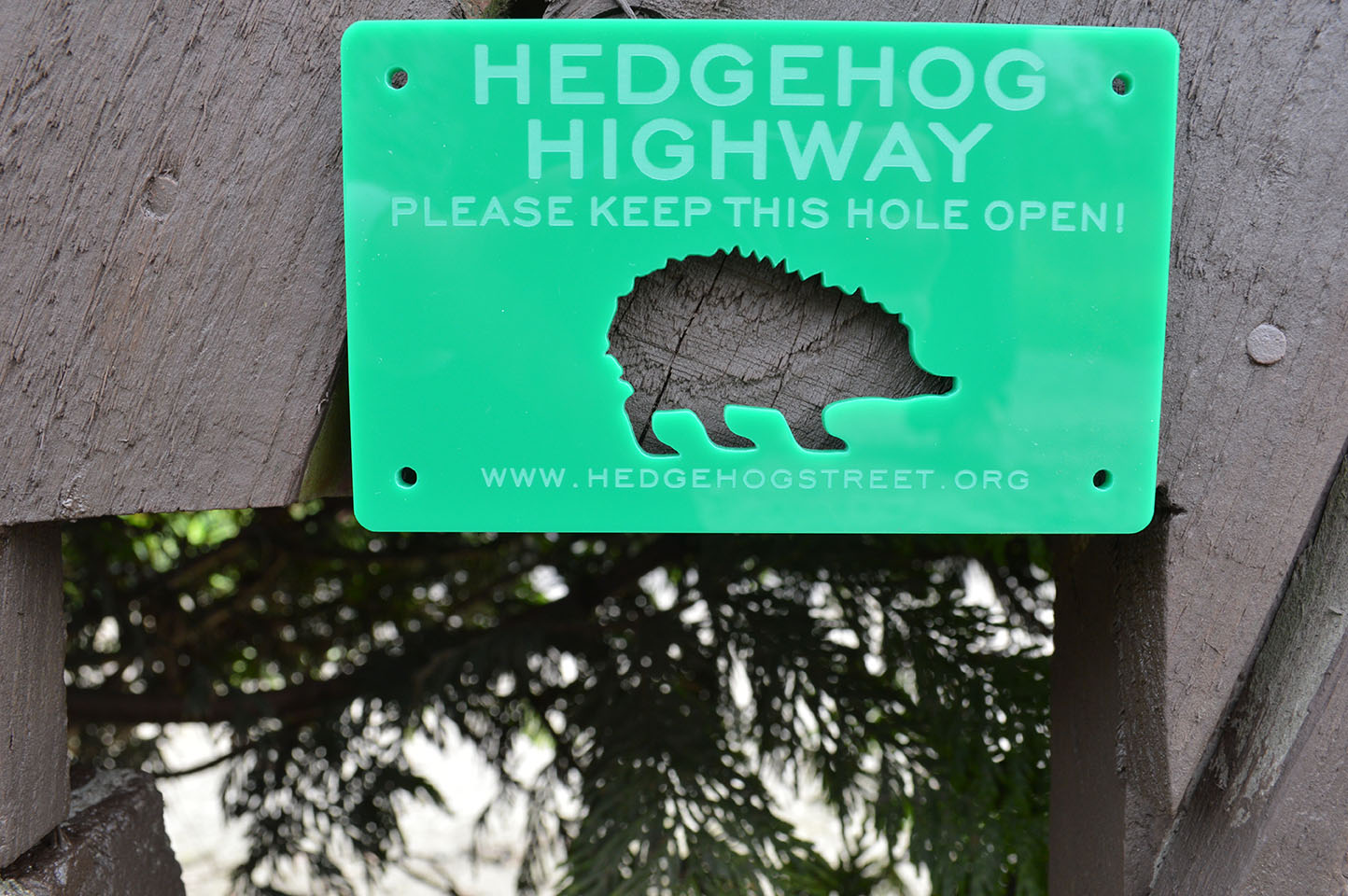
- Create small wood piles for mammals and minibeasts.
- If you are planting a flower bed use nectar rich species particularly ones that flower in early spring or autumn when other nectar sources can be scarce.
- Consider putting up bird/bat boxes and bug hotels.
- Put a small container of water out in the hot weather.
- Monitor your wildlife and send in any wildlife records!
If you can’t leave your grass to grow long then consider changing your mowing regime from short to medium length grass. This is cut regularly (usually once a month) with the mower cutting bar at the highest setting, usually 10cm/4inches above ground level. This way you still get the low growing flowers and it is of far more value than short grass. N.B. medium grass stays greener longer and needs less cuts so uses less fossil fuels as well. Action Pack sheet A2 Caring for Grassland gives more information on medium grass.