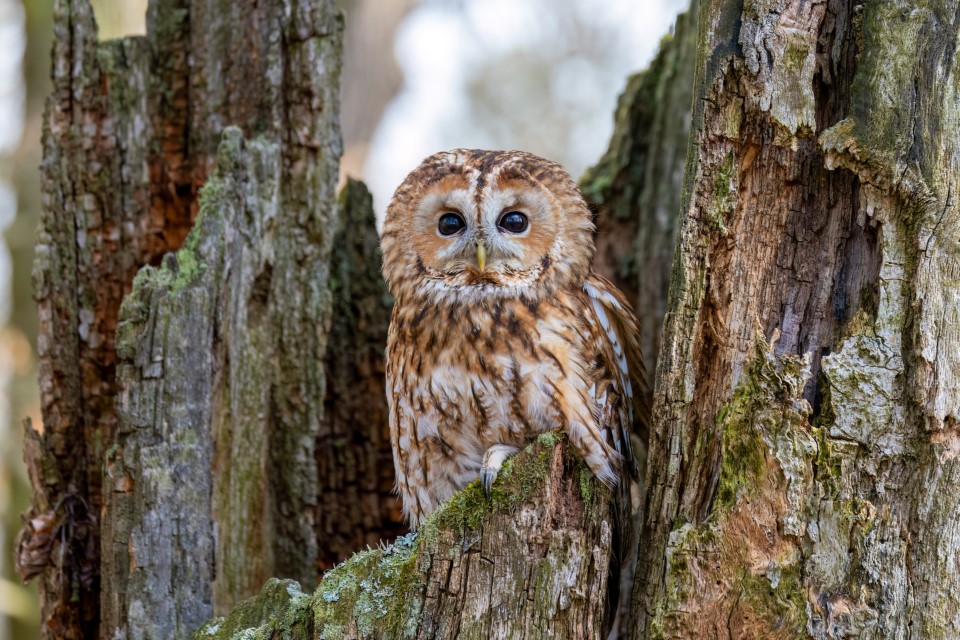
The Tawny Owl is probably our most familiar owl with children growing up learning that tawny owls say ‘tu-wit-tu-woo’. This is not actually the call of one bird but a duet between male and female. The female starts with the harsh ‘kee-vik’ which is then followed by the male with the deeper ‘woo-hoooo’. As with […]
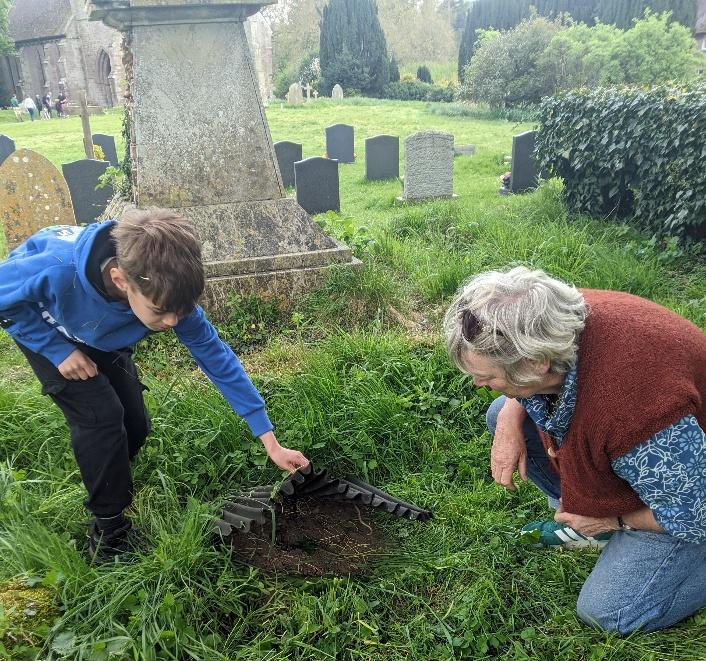
Churchyards, chapel yards and cemeteries can be great places for both reptiles, such as snakes and lizards, and amphibians such as frogs, toads and newts. You may see lizards basking in the sun on walls or monuments or perhaps a frog or toad hunting in a cool, damp corner or rotting wood pile. To find […]
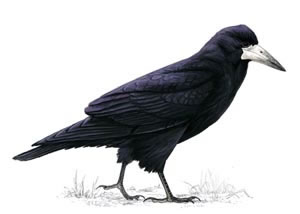
If you are feeling in need of an uplifting sign of spring then take a visit to your nearest rookery. Although most bird species start to display, build nests and lay eggs in March, April or May, rooks and other members of the Corvid family are well underway by February with some starting in January. […]
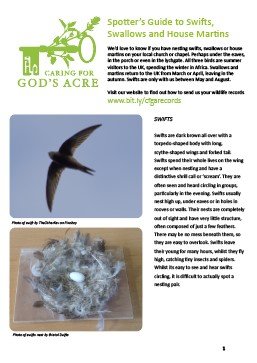
Swifts, swallows, and house martins are all expert fliers that hunt insects mid-air, catching and eating them while in flight. These birds are social and gregarious, and they have similar sizes and shapes, making it challenging to distinguish between them. By popular request we have produced this new guide as part of our Spotter’s Guide […]

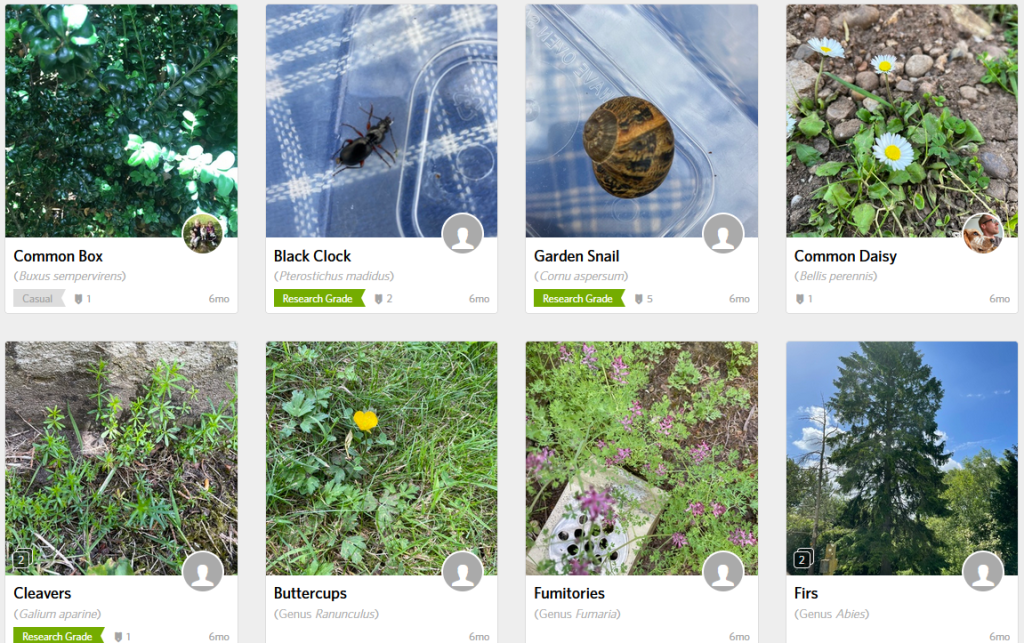
We’ve been putting together a new guide you can download as a PDF to help if you are using iNaturalist. We also have two short videos on how to use iNaturalist too. It’s a really easy and fun app to use!
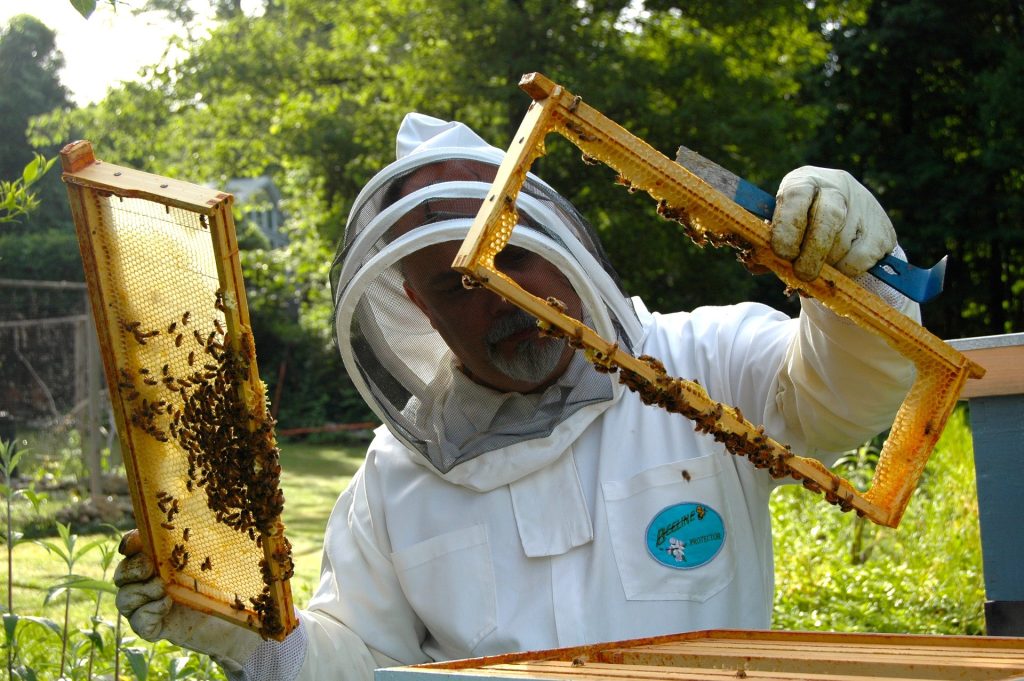
Introduction Churchyards and cemeteries are peaceful places where people can reflect and connect with nature. Lately, we have been asked about having beehives in burial grounds. If you are considering this, we hope this information helps. Is beekeeping the right thing for you? First of all, beekeeping is about managed honeybees. It is not about […]
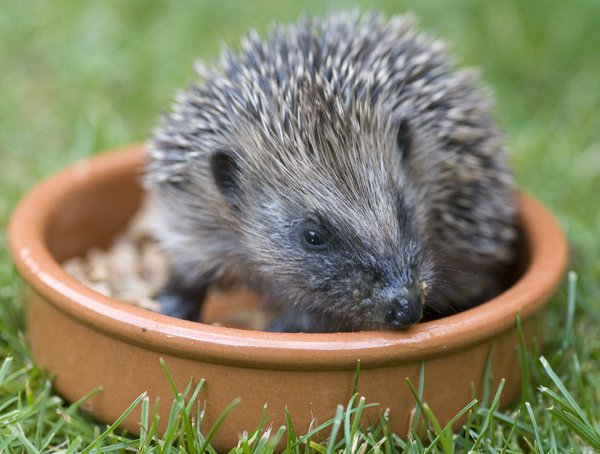
A Call to Protect Our Prickly Friends Hedgehogs are facing a tough time and their numbers are declining. According to the latest State of Britain’s hedgehogs report, numbers of hedgehogs have fallen by up to 30% in urban areas and 50% in rural areas since 2000 Although cemeteries and churchyards can be welcoming spaces for these prickly and […]
We spoke to Sarah Folkes from St Matthew’s Church, Salford Priors about their experience of joining in with the week. Hi Sarah, please tell us a little about yourself. I’m the Family Link Worker for St Matthew’s and I’ve been here for 4 years now. I love the variety of things that I get to […]
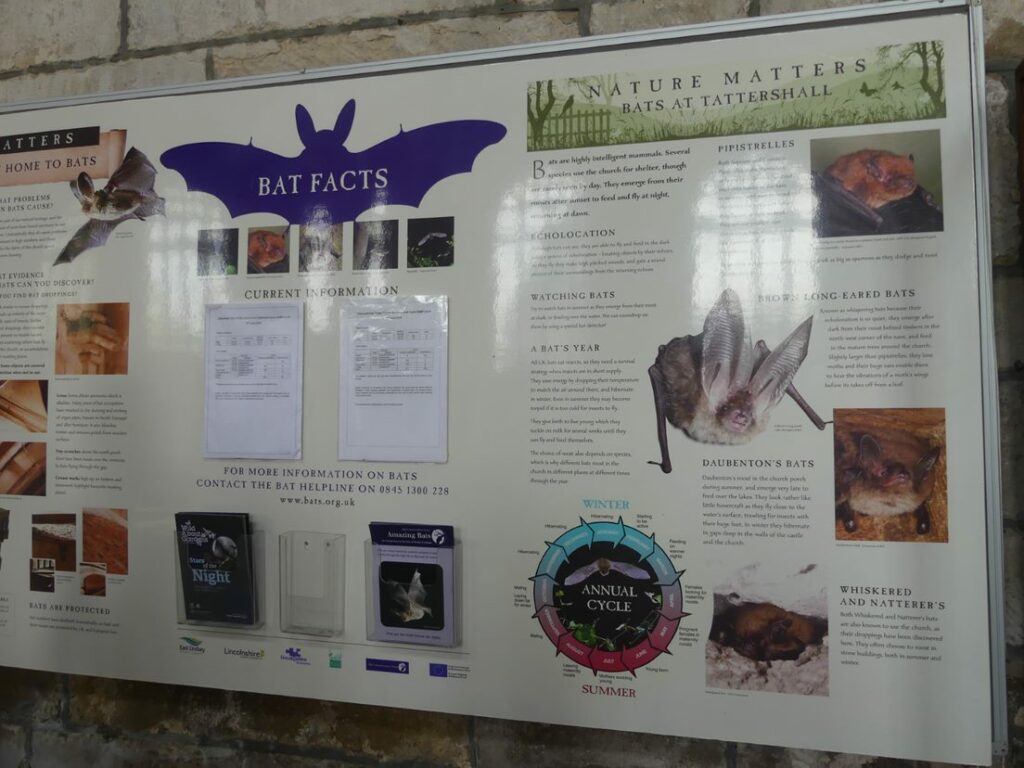
On a summer’s evening, the grand medieval building of Holy Trinity Collegiate Church in the pretty village of Tattershall in Lincolnshire comes alive. Hundreds of tiny, furry brown soprano pipistrelle bats swoop and swirl inside the church before slipping out through a small gap above a heavy gothic door into the surrounding countryside in search […]
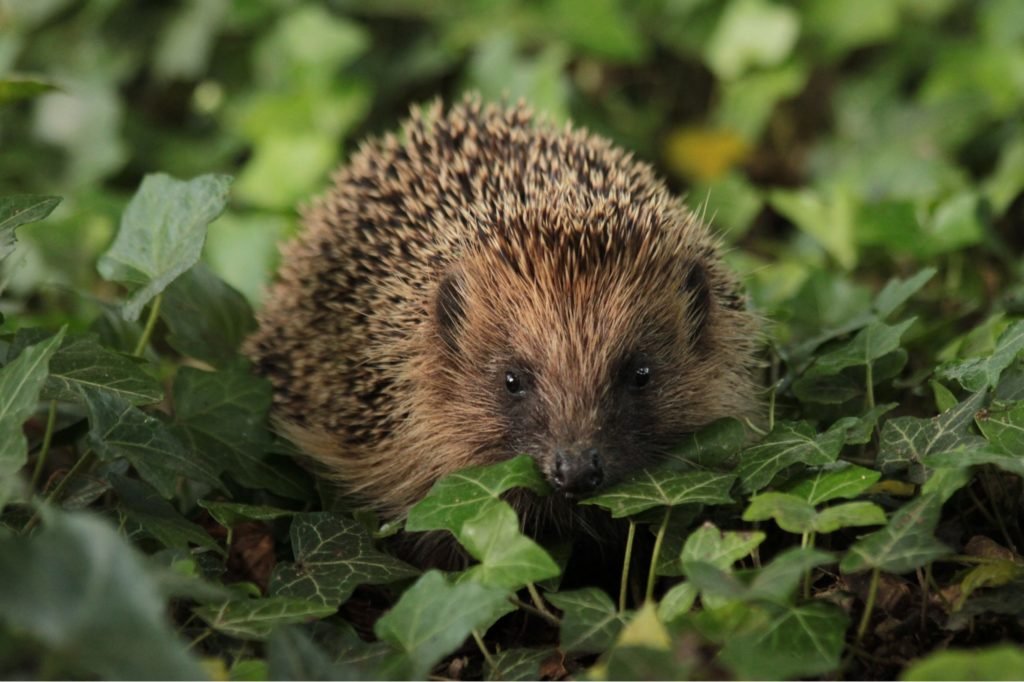
The hedgehog is the UK’s only prickly mammal, but it’s in trouble. Despite being voted Britain’s Favourite Wild Mammal, hedgehog numbers have been declining for many years. Research published recently in the State of Britain’s Hedgehogs 2022 by the British Hedgehog Preservation Society and People’s Trust for Endangered Species shows that the decline in rural […]
Burial grounds, rich in butterflies and moths, are also rich in other invertebrates, so managing sensitively for butterflies will help a whole range of other invertebrates too. We have a resource sheet on Butterflies, Moths and other Insects here which has a really useful table on what food plants and habitat types the different butterflies […]
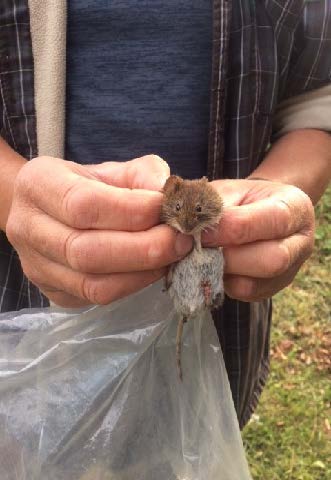
Over the years we have been encouraging groups to undertake a bioblitz in their burial ground. A bioblitz is a period of biological surveying (often over 24hours) which attempts to record as many species as possible within a set area. It is usually organised by a local conservation group or the community who bring in […]