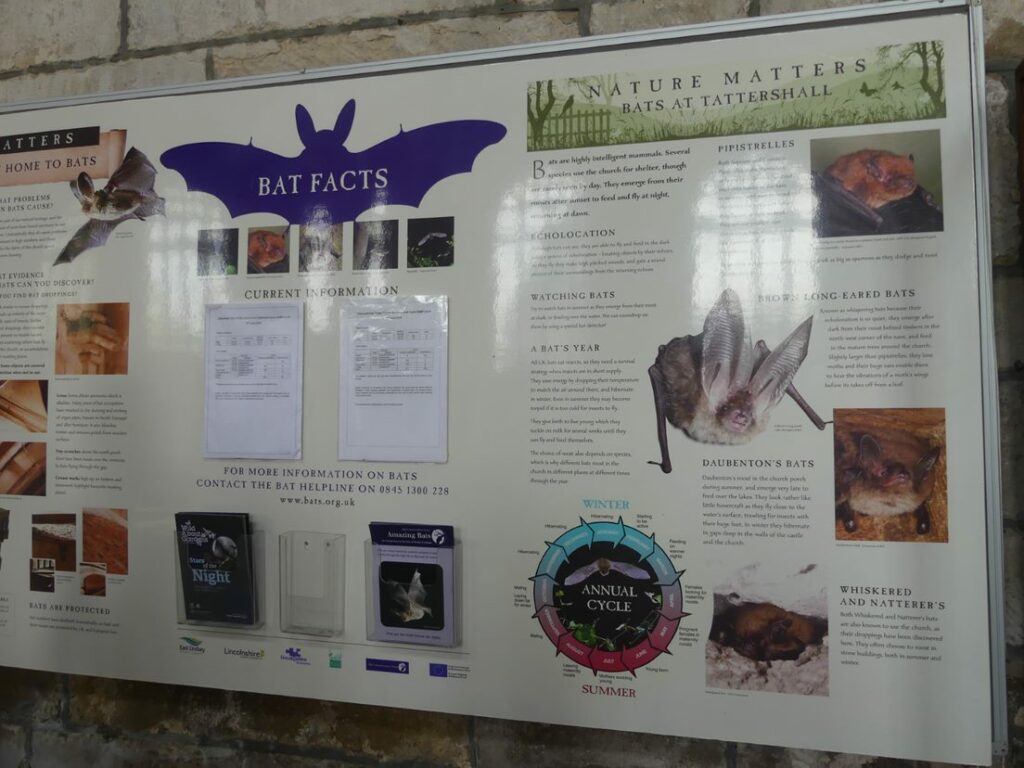
On a summer’s evening, the grand medieval building of Holy Trinity Collegiate Church in the pretty village of Tattershall in Lincolnshire comes alive. Hundreds of tiny, furry brown soprano pipistrelle bats swoop and swirl inside the church before slipping out through a small gap above a heavy gothic door into the surrounding countryside in search […]
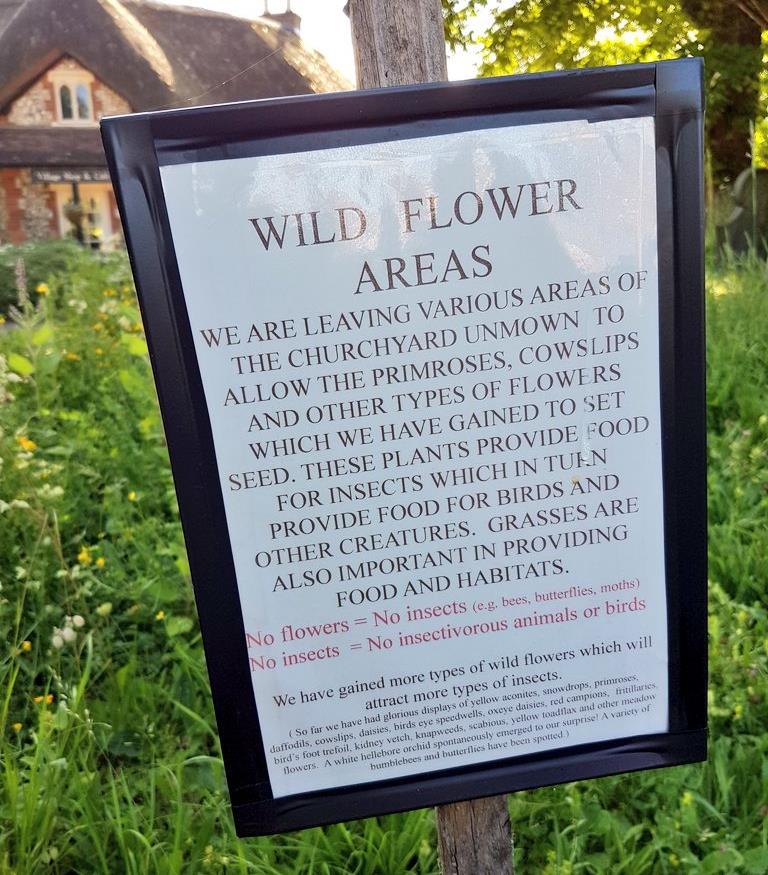
If you plan to have wild flower areas in your burial ground that are welcome by visitors, communication is key. Conservation in these unique places is all about active management not neglect and we need to let people know what we’re doing so that they don’t become alarmed that grass might be longer/things are different […]
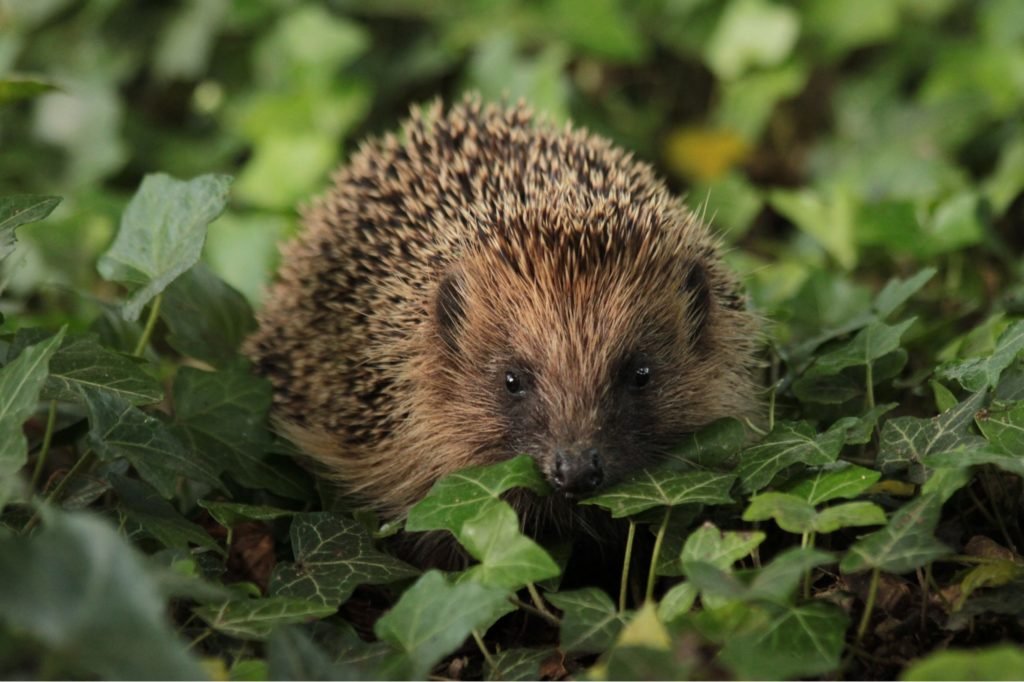
The hedgehog is the UK’s only prickly mammal, but it’s in trouble. Despite being voted Britain’s Favourite Wild Mammal, hedgehog numbers have been declining for many years. Research published recently in the State of Britain’s Hedgehogs 2022 by the British Hedgehog Preservation Society and People’s Trust for Endangered Species shows that the decline in rural […]
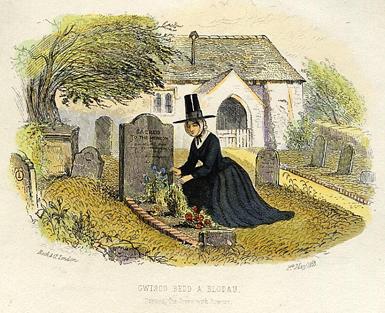
It seems very likely that the custom of placing flowers on graves was unique to Wales (at least withing the UK), until the middle of the 19th century. Some of the many 18th and 19th century English visitors to Wales who mentioned the practice suggested that it was worthy of emulating in England, which implies […]
Burial grounds, rich in butterflies and moths, are also rich in other invertebrates, so managing sensitively for butterflies will help a whole range of other invertebrates too. We have a resource sheet on Butterflies, Moths and other Insects here which has a really useful table on what food plants and habitat types the different butterflies […]
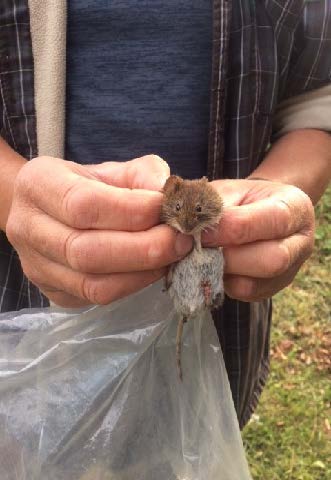
Over the years we have been encouraging groups to undertake a bioblitz in their burial ground. A bioblitz is a period of biological surveying (often over 24hours) which attempts to record as many species as possible within a set area. It is usually organised by a local conservation group or the community who bring in […]
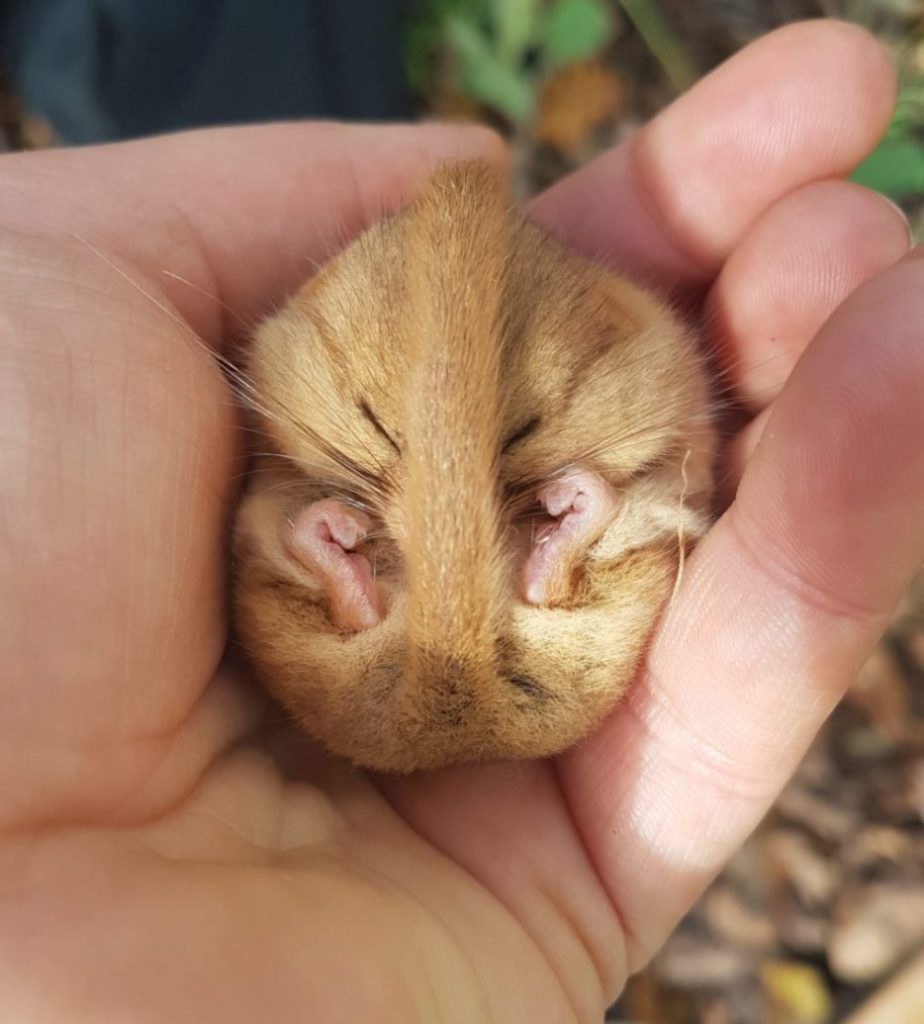
Guest blog post written by Sam Devine-Turner, Mammal Detective and Chair of Shropshire Dormouse Group With a decline of 50% since the year 2000, the hazel dormouse Muscardinus avellanarius is disappearing from the British countryside at an alarming rate. Not only are their numbers dwindling, but they have become extinct in 17 counties since 1885 […]
Guest blog post written by Judith Leigh, CfGA Trustee and member of Diocesan Advisory Committees. The boundary of a churchyard is very significant as it separates off a consecrated space, which is also commonly (though not always) used for burials and is also a place where people historically might claim sanctuary. Most often this boundary […]
NATURAL HISTORY IN CHURCHYARDS Steve Woodward Churchyards are well worth exploring for their flora and fauna. Helen Ikin and myself have confirmed this on our many visits to local churchyards over the last few years. They are (usually) pleasant places to wander slowly, looking for wild flowers among the headstones, trying to identify the planted […]
We are delighted to announce that the National Lottery has awarded Caring for God’s Acre a £586,700 grant for the Beautiful Burial Ground Project. This project will put burial grounds on the map, by revealing the hidden heritage and wildlife of burial grounds across England and Wales. Citizen scientists will be at the heart of […]